Sleep Clinic Newcastle
Do you have problems getting to sleep or staying asleep?
Here at Idos, our consultant in sleep medicine Dr Ceri Sutherland has an interest in Circadian biology and more recently has extended this interest into the related topic of Fatigue. Dr Sutherland believes in a holistic complementary approach to health through lifestyle and respect for the internal body clock. She helps clients harmonise their internal physiology with their external world, including the timing of light exposure, diet and exercise.
Common sleep problems include sleep apnoea, snoring, insomnia, restless legs, sleepwalking, restless sleep, sleeping at odd times, fatigue and menopause related sleep issues.
Our sleep service is led by consultant Dr Ceri Sutherland with expertise in sleep medicine, circadian biology and fatigue, using a holistic, lifestyle-aware approach.
1. Initial Enquiry & Booking:
Contact us or be referred by a GP to arrange your sleep assessment.
2. Preparation: Sleep Diary:
Prior to your consultation, you’ll be asked to keep a sleep diary.
3. Comprehensive Assessment:
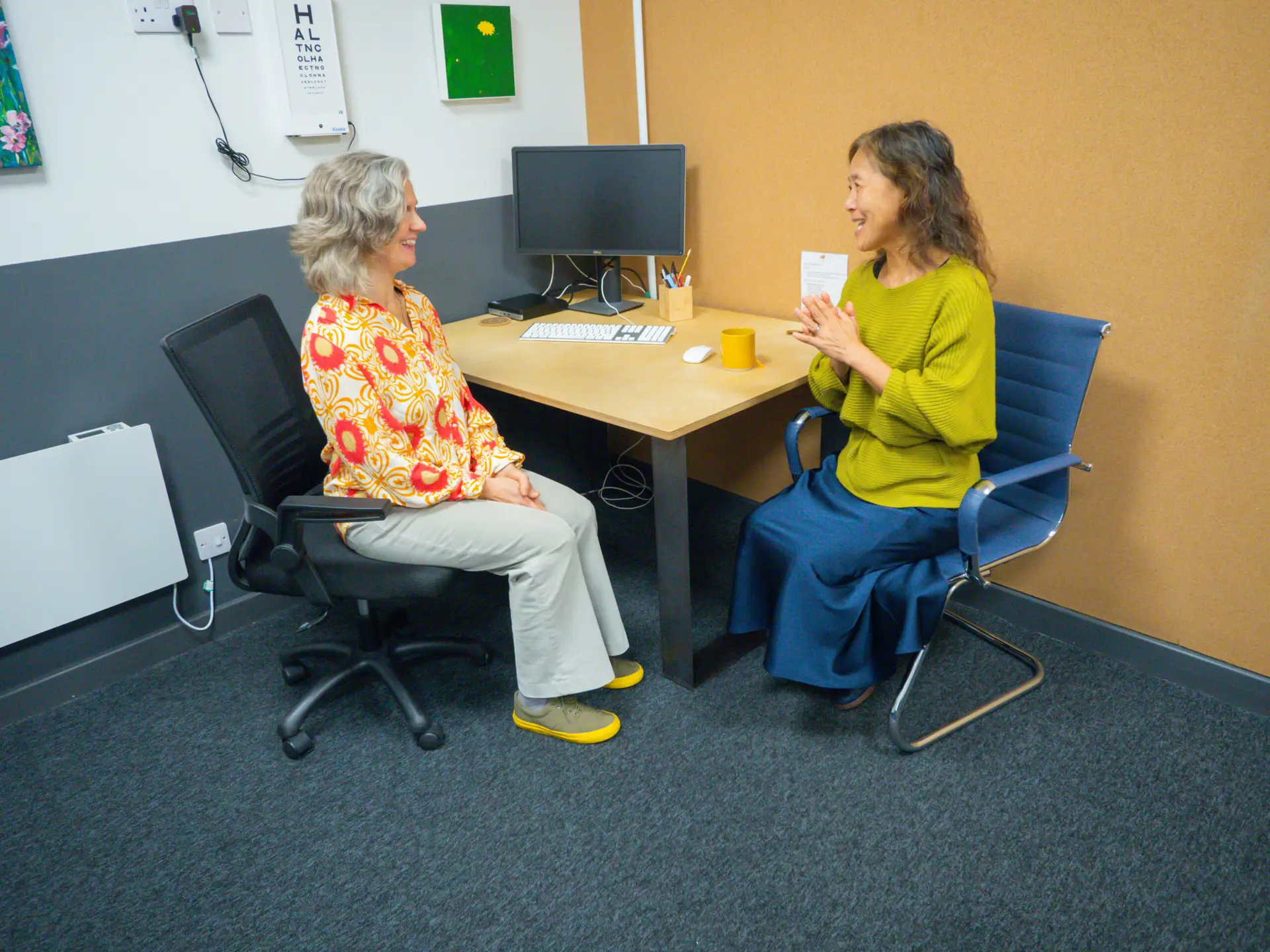
Attend a virtual or in-person appointment (approximately one hour) where your specialist will review your diary, sleep concerns, and medical history.
4. Diagnostics:
Diagnostic tests, such as overnight oximetry, may be arranged if needed.
5. Personalised Care Plan:
Receive a tailored plan which could include lifestyle advice, further diagnostics, referral for
Cognitive Behavioural Therapy for Insomnia (CBTI), or other interventions.
6. CBTI and Follow-Ups:
If CBTI is advised, take part in three 2-hour sessions (face-to-face or online). Follow-ups are
arranged according to progress and your needs.
7. Review & Completion:
Your clinician reviews your outcomes and arranges any ongoing support as required.
Your sleep plan is built around your goals, routine and preferences. We agree small changes you can live with, for example a tailored CBT-I schedule, light and screen timing, caffeine and alcohol cut-off, wind-down rituals, and a bedroom set-up that suits your space. If needed we add targeted steps such as circadian rescheduling, medication review, treatment for restless legs, or CPAP pathways when sleep apnoea is confirmed. You choose the tools that fit, from a simple diary to a wearable or oximetry, and we review progress together using sleep logs and symptom scores. Follow ups are paced to you, adjusting the plan as life shifts so better sleep becomes routine rather than a short burst of effort.
You will meet a clinician experienced in sleep and fatigue. We explore your current pattern, daytime symptoms and underlying contributors such as shift work, travel, stress or hormones. Standardised questionnaires and your sleep diary help shape next steps. Where indicated, we arrange diagnostics such as overnight oximetry (home sleep study). You will receive a written summary with clear next actions.
Keep a 3 to 7 day sleep diary before you attend. Note bedtimes, wake times, naps, caffeine and alcohol, exercise and screen use. Bring a list of medicines and supplements, any recent test results, and information about shift patterns or travel. If a partner notices snoring, pauses in breathing or restless legs, ask them to jot examples. We will tell you exactly how to wear any home test equipment if a study is arranged.
Your clinician will explain the findings in plain English and agree a sensible plan. This may include targeted lifestyle guidance to re-sync your body clock, referral for CBT-I where appropriate, and follow-up appointments to adjust the plan. If a home study suggests sleep apnoea, we will advise on next steps and onward care.
Sleep Clinic Newcastle – FAQ
If your question isn’t answered below, please contact us directly. We’ll be happy to advise the safest next step.
If you are in the UK and have urgent or emergency symptoms use NHS 111 or call 999.
CBT-I is a structured programme that changes thoughts and habits which keep insomnia going. At IDOS it typically runs as three focused sessions, in person or online. Many people sleep better within weeks.
It is a simple test worn at home while you sleep. It tracks oxygen and breathing patterns to screen for sleep apnoea. We use modern devices so most people sleep as normal. Results guide whether further treatment is needed.
Yes. We pay special attention to circadian timing and can help align light exposure, meals and activity to your schedule so sleep and energy improve.
Our sleep service is led by a consultant with expertise in sleep medicine, circadian biology and fatigue, using a holistic, lifestyle-aware approach.
Absolutely. Many sleep issues respond best to behavioural and timing approaches such as CBT-I and body-clock strategies. If medication is appropriate, we will discuss safe options and a clear plan.
You will leave the assessment with initial steps. Home test results are usually reviewed quickly and we will book follow-up to discuss them and refine your plan.
Most of the pathway, including the initial assessment, CBT-I sessions and many follow-ups, can be delivered virtually. If testing or an examination is required, we will arrange the most convenient option.
Looking for something specific? Start with one of our related services below.
Get in touch and we’ll point you in the right direction.